Formetic: The Bold Typography Revolutionizing Digital Identity
In the rapidly evolving landscape of digital design, where screen real estate is at a premium and user attention spans are fleeting, the choice of typography can make or break a project. While sans-serif fonts have long dominated the web for their cleanliness and neutrality, there is a growing demand for typefaces that command attention and convey a distinct personality without sacrificing legibility. This is where Formetic enters the conversation. As a cool, bold, and futuristic display font, it offers a unique touch that transforms standard interfaces into memorable experiences.
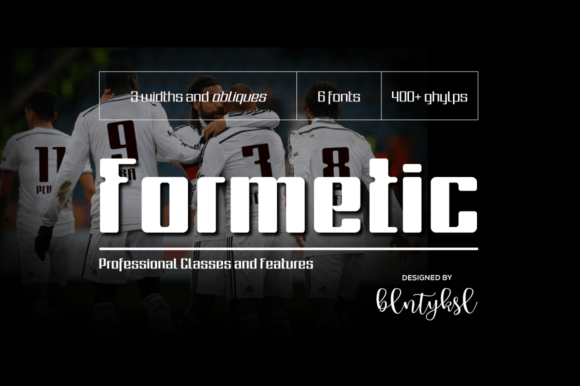
The modern internet is saturated with generic aesthetics. From corporate websites to personal portfolios, many designs rely on safe, invisible typefaces that allow content to speak but fail to create an emotional connection. Formetic challenges this status quo. It is not merely a font; it is a statement. Its geometric precision combined with aggressive styling makes it ideal for writing web designs, business cards, or pretty much anything else that requires a unique touch. Whether you are a seasoned graphic designer looking to elevate a brand identity or a hobbyist creating custom merchandise, understanding the capabilities of Formetic is essential for standing out in a crowded visual field.
The Aesthetic Philosophy Behind Futurism
To appreciate the utility of Formetic, one must first understand the aesthetic movement it draws from: futurism. Historically, futurism celebrated speed, technology, and the dynamic energy of the modern world. In typography, this translates to sharp angles, extended strokes, and a sense of forward momentum. Formetic captures this spirit by stripping away unnecessary serifs and ornamentation, leaving behind a structure that feels engineered rather than drawn.
The "cool" factor of this font stems from its high contrast and structural integrity. Unlike traditional display fonts that might feel retro or nostalgic, Formetic looks as though it belongs in a high-tech laboratory or a cyberpunk metropolis. For professionals and businesses, this association with innovation is powerful. When a consumer sees a logo or a headline set in Formetic, their brain immediately categorizes the entity as modern, cutting-edge, and confident. This psychological priming is invaluable for brands trying to position themselves as leaders in emerging technologies, gaming, or creative industries.
Furthermore, the boldness of Formetic is not just about weight; it is about presence. In a grid-based web layout, a block of text in a standard font often disappears into the background. Formetic demands to be read. It acts as a visual anchor, guiding the user's eye to the most important information. This makes it particularly effective for hero sections on landing pages, where the goal is to communicate a value proposition instantly.
Characteristics That Define the Typeface
The technical specifications of Formetic contribute significantly to its versatility. The letterforms are constructed with a consistent stroke width that maintains readability even at smaller sizes, provided they are used correctly as display text. The x-height is optimized for clarity, ensuring that short words remain legible while retaining their stylistic flair. The futuristic nature of the design is evident in the treatment of specific characters like 'A', 'E', and 'M', which feature open counters and angular cuts that mimic the look of digital displays or architectural blueprints.
Another defining characteristic is its rhythm. Good typography creates a visual beat when reading a line of text. Formetic achieves this through the interplay of vertical and horizontal lines, creating a sense of order within the chaos of a busy website. This order is crucial for educators and researchers who may want to use the font for presentation slides or academic posters where clarity and impact are paramount. It allows complex data or theoretical concepts to be presented with a level of gravitas that standard fonts cannot achieve.
Practical Applications Across Industries
The true power of Formetic lies in its adaptability. While it is undeniably a display font, its application extends far beyond simple headlines. Designers and creators are finding innovative ways to integrate this typeface into various aspects of their workflow, proving that it is more than just a novelty.
- Web Design and UI/UX: In the realm of web design, Formetic excels at establishing hierarchy. It is perfect for navigation bars, call-to-action buttons, and section headers. By using Formetic for key interface elements, designers can create a cohesive visual language that guides users through a site intuitively. The futuristic style pairs exceptionally well with dark mode interfaces, neon accents, and minimalist layouts common in tech startups.
- Branding and Business Cards: For business owners, first impressions are everything. A business card printed with Formetic stands out in a stack of dull, Helvetica-covered cards. The bold, futuristic aesthetic signals that the professional behind the card is forward-thinking and detail-oriented. It adds a layer of prestige and uniqueness that helps in networking scenarios, making the contact information memorable.
- Merchandise and Physical Media: Hobbyists and small business owners often turn to print-on-demand services to sell t-shirts, mugs, and stickers. Formetic is an excellent choice for these products because its high-contrast design reproduces well on various materials. Whether embroidered on a cap or laser-etched onto a metal water bottle, the font retains its sharp edges and bold character.
- Editorial and Educational Content: Educators and researchers can utilize Formetic to break up dense blocks of text in presentations or digital newsletters. Using it for subheadings or pull quotes can re-engage readers who might otherwise skim over the material. It adds a visual break that signals a shift in topic or emphasizes a critical insight.
Creative Workflows and Implementation
Integrating Formetic into a design workflow requires a strategic approach. Because it is a display font, it should generally not be used for body copy. The human eye is designed to scan paragraphs of text quickly, and the highly stylized nature of Formetic can cause fatigue if overused. Instead, the most effective workflow involves pairing Formetic with a neutral, highly readable sans-serif font for body text. This combination leverages the strengths of both: the head-turning appeal of Formetic and the comfort of a standard typeface.
For developers implementing this on the web, the process is straightforward. Most modern browsers support variable fonts, and Formetic is often available in formats that allow for fine-tuning of weight and width. This flexibility enables designers to adjust the font's impact dynamically based on the device screen size. On mobile devices, where space is limited, a slightly lighter weight of Formetic can maintain visibility without overwhelming the user interface.
Consider the example of a portfolio website for a 3D artist. The artist might use Formetic for their name and project titles, creating a striking contrast against the colorful renders of their work. The font acts as a frame, drawing the viewer's focus to the art itself while providing a context of professionalism and modernity. Similarly, a researcher presenting findings on artificial intelligence could use Formetic for the title slide and key data points, reinforcing the technological subject matter of their research.
Strategic Considerations for Long-Term Use
While Formetic offers numerous advantages, responsible usage requires an understanding of its limitations. Trends in typography change rapidly, and what feels futuristic today may feel dated tomorrow. However, the core principles of Formetic—clarity, boldness, and geometry—are timeless enough to sustain its relevance for years to come. The key is to use it as a tool for emphasis rather than decoration.
One consideration is accessibility. High-contrast, bold fonts can sometimes present challenges for users with visual impairments or dyslexia. To mitigate this, designers must ensure sufficient color contrast between the text and the background. Using white or light gray text on a deep black background, for instance, maximizes legibility while maintaining the dramatic effect of the font. Additionally, providing alternative text descriptions for images containing Formetic ensures that the content remains accessible to screen readers.
Another aspect to consider is cultural resonance. The futuristic aesthetic of Formetic aligns well with global trends towards digitalization and automation. However, in contexts where warmth and tradition are valued, such as healthcare or non-profit organizations, Formetic might feel too cold or distant. In these cases, it should be used sparingly, perhaps only for logos or very specific graphical elements, to avoid alienating the audience.
Optimizing for Search and Discoverability
From an SEO perspective, the visual impact of typography plays a subtle but significant role in user engagement metrics. When a user lands on a page with a strong, clear typographic hierarchy established by Formetic, they are more likely to stay longer and explore the content. This reduced bounce rate is a positive signal to search engines. Furthermore, the unique nature of the font can enhance brand recognition, leading to higher direct traffic as users return specifically for the brand experience.
When discussing Formetic in content marketing, natural semantic keyword variation is essential. Phrases like "futuristic display font," "bold web typography," and "unique design solutions" help search engines understand the context of the content. By weaving these terms naturally into discussions about design trends, branding strategies, and user experience, content creators can attract a broad audience ranging from professionals seeking inspiration to consumers curious about design tools.
The versatility of Formetic also lends itself to content creation across different platforms. Bloggers can use it for featured images, podcasters can use it for cover art, and social media managers can incorporate it into graphics to increase engagement rates. The consistency of using a distinctive font across all channels builds a stronger brand identity, which is a cornerstone of effective digital marketing.
The Future of Typography with Formetic
As we move further into an era defined by virtual reality, augmented reality, and immersive web experiences, the need for typography that can translate across dimensions will grow. Formetic is well-positioned to meet this challenge. Its geometric simplicity makes it easier to render in 3D environments without losing its structural integrity. For game developers and VR designers, Formetic offers a way to label interfaces and narrative elements that feel native to the digital world.
The evolution of web standards continues to push the boundaries of what is possible with text. With the advent of CSS features that allow for greater control over typography, designers can now manipulate Formetic in ways previously impossible. Text effects, animations, and responsive scaling can be applied to give life to static letters, turning them into interactive elements that respond to user input. This opens up new avenues for storytelling and engagement.
Ultimately, Formetic represents a shift in how we view the role of text in design. It is no longer just a vehicle for information; it is a primary component of the visual experience. By embracing a font that is cool, bold, and futuristic, creators can craft digital environments that are not only functional but also inspiring. Whether you are designing a business card for a startup, building a website for a tech giant, or simply expressing your creativity as a hobbyist, Formetic provides the unique touch needed to leave a lasting impression.
In conclusion, the integration of Formetic into your design toolkit is more than a stylistic choice; it is a strategic decision to prioritize impact and innovation. Its ability to bridge the gap between aesthetic appeal and functional clarity makes it an indispensable asset for anyone looking to make their mark in the digital age. As the visual landscape continues to evolve, those who embrace bold, purposeful typography will find themselves at the forefront of the next wave of digital expression.