Theapot: Strategic Typography for Bold Brand Positioning
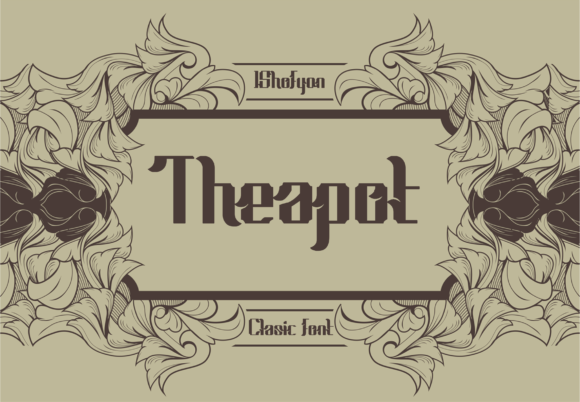
In the crowded landscape of digital and print media, visual hierarchy is not merely an aesthetic choice; it is a critical communication tool that dictates how information is processed. Theapot emerges as a distinctive asset in this environment, offering a display typeface that reads as strong, confident, and dynamic. For entrepreneurs, marketers, and creative professionals seeking to establish immediate authority or evoke a specific era of cultural memory, Theapot provides more than just letters; it offers a strategic tone.
This font is not designed for body copy or dense technical documentation. Its value lies in its ability to command attention and infuse designs with nostalgic character without sacrificing legibility at large scales. When deployed with intention, Theapot can elevate branding initiatives, enhance campaign impact, and guide user behavior through clear visual signaling.
Defining The Character and Strategic Utility
The core strength of Theapot lies in its personality. It is inherently bold, projecting a sense of confidence that resonates with audiences looking for authenticity. Unlike generic sans-serif fonts that often feel sterile or corporate, Theapot carries a weight that suggests experience and history. This "nostalgic character" is not accidental; it taps into collective memories of mid-century design, retro advertising, and vintage signage.
For a small business owner launching a new product line, or a freelancer pitching a high-stakes proposal, the psychological impact of typography cannot be overstated. Theapot allows these professionals to communicate stability and flair simultaneously. It signals that the brand behind the message is established enough to have a history but dynamic enough to remain relevant. In strategic planning terms, this aligns perfectly with positioning goals that require a blend of heritage and innovation.
The dynamic nature of the letterforms ensures that static images do not feel stagnant. Whether used on a landing page hero section, a podcast cover art, or a physical poster, Theapot introduces movement and energy. This is particularly useful for creators and hobbyists who need to differentiate their content in saturated markets where visual noise is the primary competitor.
Aligning Visual Tone with Business Objectives
Successful design decisions are always rooted in business objectives. Before selecting Theapot for a project, decision-makers must ask what emotional response they wish to elicit from their audience. If the goal is to convey trustworthiness and solidity, the strong strokes of Theapot serve as a visual anchor. If the objective is to spark curiosity or nostalgia, the unique contours of the characters act as the catalyst.
Consider a marketing campaign for a craft beverage company. Using a standard geometric font might convey modernity, but it lacks soul. By contrast, employing Theapot can instantly transport the consumer to a time when craftsmanship was paramount. This alignment between visual style and brand narrative reduces cognitive friction, allowing the customer to connect with the product faster. The result is improved engagement rates and a clearer path to conversion.
Practical Applications Across Industries
The versatility of Theapot extends across various professional domains, provided it is applied within the correct context. Its primary function is as a display font, meaning it excels in headlines, titles, and short impactful phrases. Below are specific scenarios where Theapot delivers measurable value.
- Branding and Identity: For startups aiming to disrupt traditional markets, Theapot offers a way to stand out immediately. A logo or brand mark utilizing this font can suggest a legacy of quality even for a new entity. It helps in creating a memorable visual identity that sticks in the consumer's mind.
- Publishing and Editorial: Bloggers and publishers dealing with lifestyle, history, or culture topics can use Theapot to introduce articles or highlight key takeaways. The nostalgic vibe adds depth to storytelling, making the reading experience more immersive.
- Event Marketing: Educators and event organizers planning workshops or conferences can leverage the dynamic energy of Theapot for posters and social media teasers. It creates a sense of urgency and excitement that encourages registration and attendance.
- E-commerce and Product Packaging: Small business owners selling physical goods can use Theapot on packaging to convey artisanal quality. The strong, confident lines suggest durability and care, enhancing the perceived value of the item.
In each of these cases, the font acts as a silent salesperson. It does the heavy lifting of establishing tone before a single word of body copy is read. This efficiency is crucial for productivity, as it reduces the time spent explaining a brand's vibe and allows the visual language to speak for itself.
Strategic Implementation and Planning
To achieve better results, the use of Theapot must be deliberate rather than random. A common pitfall in design is over-reliance on trendy elements without considering the broader ecosystem of the brand. While Theapot is cool and unique, it demands respect in its application. It should not be mixed indiscriminately with other display fonts or used in low-contrast environments where its details may be lost.
Effective planning involves establishing a clear hierarchy. Theapot works best when paired with clean, neutral body text—such as a simple sans-serif or a classic serif—that allows the headline to shine without competition. This pairing strategy ensures readability while maintaining the desired aesthetic impact. Decision-makers should view Theapot as the accent note in a symphony, not the entire orchestra.
When approaching a project, consider the following workflow:
- Analyze the Target Audience: Determine if the demographic responds well to retro aesthetics or if they prefer ultra-modern minimalism. Theapot appeals strongly to adults aged 20–50 who appreciate a touch of vintage charm.
- Define the Message: Ensure the text being set supports the font's personality. Short, punchy copy works best. Long paragraphs will dilute the impact and create visual fatigue.
- Test for Legibility: Even strong fonts can fail if the spacing or color contrast is poor. Always test Theapot at various sizes and against different backgrounds to ensure clarity.
- Maintain Consistency: Once selected, use Theapot consistently across all touchpoints. Consistency builds recognition, which is a cornerstone of long-term brand equity.
Navigating Potential Risks
No tool is without risk, and typography is no exception. The primary danger with Theapot is misalignment with brand values. If a company positions itself as hyper-technical, futuristic, or strictly clinical, Theapot's nostalgic character may send mixed signals. It could make a serious financial institution appear frivolous or a medical device manufacturer seem unprofessional.
Furthermore, relying too heavily on a single display font can lead to a dated look over time. Trends cycle, and what feels dynamic today may feel clichéd tomorrow. To mitigate this, designers should treat Theapot as part of a flexible system rather than a permanent fixture. Use it to launch campaigns or highlight specific initiatives, but maintain a robust library of supporting typefaces to keep the overall design fresh.
Another consideration is accessibility. Strong, confident fonts can sometimes suffer from reduced legibility for users with visual impairments if the stroke width is too uniform or the counters (the enclosed spaces in letters like 'o' or 'a') are too small. Always prioritize inclusive design by ensuring sufficient contrast and sizing.
Long-Term Value and Creative Growth
Investing in high-quality, strategic typography like Theapot contributes to the long-term success of any creative endeavor. It elevates the perceived professionalism of the output, which is essential for freelancers and agencies competing for premium clients. When a client sees a presentation or a website that utilizes thoughtful type selection, they perceive the creator as an expert who understands the nuances of communication.
For educators and learners, studying how fonts like Theapot influence perception is a valuable lesson in semiotics. It teaches that every design choice has a consequence. By mastering the balance between style and substance, professionals can create work that not only looks good but performs well. This leads to better outcomes, whether measured in clicks, sales, or simply the retention of attention.
The potential for creativity is limitless when one understands the rules. Theapot invites experimentation with layout, scale, and color. It encourages designers to think beyond the grid and embrace the dynamic possibilities of the medium. However, this freedom must be grounded in strategy. The most successful projects are those where the visual flair serves a clear purpose, guiding the user toward a specific action or understanding.
Conclusion: Making Intentional Choices
The decision to use Theapot should never be based solely on the fact that it is cool or unique. It should be chosen because it solves a specific communication problem. Does your brand need to feel more confident? Does your campaign need a burst of nostalgic energy? If the answer is yes, Theapot is a powerful ally.
By integrating this font into a coherent strategy, professionals can enhance their branding, streamline their operations, and deliver superior customer experiences. The key lies in intentionality. Avoid the trap of using Theapot randomly; instead, deploy it with precision to support your goals and achieve lasting results. In a world filled with visual clutter, a strong, confident voice like Theapot can cut through the noise and leave a lasting impression.