Swinging: A Comprehensive Evaluation of the Display Font
In the vast landscape of digital typography, selecting the right typeface is often the difference between a design that feels generic and one that commands attention. Swinging has emerged as a notable option for designers seeking a specific aesthetic tone. It is classified as a fun and whimsical display font, characterized by its ability to stand out in crowded visual environments. While many fonts strive for neutrality or readability above all else, Swinging prioritizes character and immediate visual impact.
This article provides an objective analysis of the Swinging typeface. We will explore its structural qualities, evaluate its practical applications, and discuss the tradeoffs involved in using it for various projects. The goal is to help you determine if this simple yet strong font aligns with your specific design goals.
Understanding the Design Philosophy
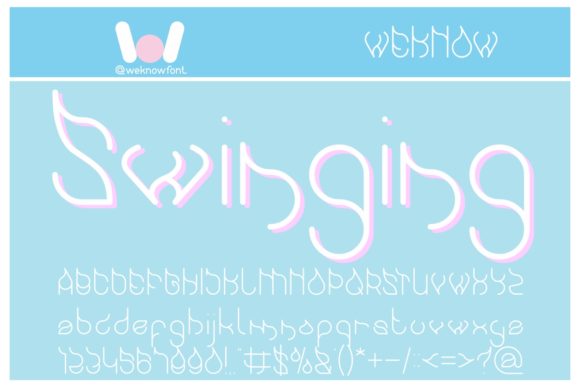
Swinging is defined by its unique approach to letterform construction. Unlike traditional serif or sans-serif fonts that adhere strictly to grid-based geometry, this typeface embraces a sense of motion and playfulness. The name itself suggests a dynamic quality, implying that the letters are not static but rather possess a rhythmic flow.
The font is described as simple but possessing a strong visual effect. This simplicity does not equate to a lack of detail; rather, it refers to the uncluttered nature of the strokes. The curves are fluid, and the terminals often feature distinct flourishes that catch the eye without overwhelming the viewer. This balance allows the font to be whimsical without appearing chaotic. When applied correctly, Swinging can instantly elevate a creation, making it appear more appealing than standard alternatives.
Key Visual Characteristics
- Dynamic Structure: The letterforms suggest movement, creating a sense of energy even when the text is stationary.
- High Contrast: Variations in stroke weight contribute to a bold presence on the page.
- Whimsical Personality: The design evokes feelings of joy, creativity, and informality.
- Distinctive Silhouette: Each character has a unique shape that ensures high legibility at large sizes while maintaining brand identity.
Reasons to Consider Swinging for Your Project
Designers typically seek out display fonts like Swinging when they need to communicate a specific mood quickly. If your project requires an immediate emotional connection, this font offers a direct path to achieving that result. Below are several scenarios where evaluating Swinging is particularly relevant.
- Brand Differentiation: In markets saturated with clean, corporate minimalism, a whimsical font can serve as a powerful differentiator. Swinging helps a brand stand out by signaling creativity and approachability.
- Event Marketing: For festivals, parties, children's products, or entertainment venues, the playful nature of the font matches the event atmosphere perfectly.
- Headline Impact: As a display font, Swinging excels at short bursts of text. It draws the reader's eye immediately, making it ideal for posters, banners, and cover art.
- Nostalgic Appeal: Depending on the specific weights available, the style may evoke retro aesthetics common in mid-century advertising or vintage carnival signage.
Benefits and Tradeoffs
While Swinging offers significant advantages in terms of visual appeal, every typographic choice involves tradeoffs. Understanding these nuances is crucial for making an informed decision.
The Benefits
The primary benefit of Swinging is its ability to create an instant "wow" factor. Its simple yet strong visual effect means it requires less supporting graphic design to make an impression. The font carries much of the creative burden, allowing other elements of the layout to remain understated. Furthermore, because it is designed to stand out, it improves hierarchy in layouts where headlines must dominate subheadings or body text.
The Tradeoffs
The most significant limitation of Swinging is its suitability for long-form reading. Whimsical display fonts generally lack the consistency required for high legibility over extended paragraphs. Using this font for body copy can lead to reader fatigue and reduced comprehension. Additionally, the strong personality of the font can clash with serious or formal subject matter. If the content is technical, legal, or academic, the playful nature of Swinging may undermine the authority of the message.
Situations Where Swinging is a Strong Fit
To maximize the effectiveness of Swinging, it is essential to apply it in contexts where its strengths are amplified. The following situations represent the optimal use cases for this typeface.
Logos and Branding: For businesses in the creative industries, such as toy stores, ice cream parlors, or boutique cafes, Swinging can serve as a memorable logo element. Its unique shapes ensure the brand is easily recognizable.
Social Media Graphics: Platforms like Instagram and Pinterest rely heavily on visual hooks. A headline set in Swinging can stop a user from scrolling, increasing engagement rates for promotional posts.
Editorial Headers: In magazines or blogs covering lifestyle, arts, or culture, using Swinging for pull quotes or section headers adds a layer of visual interest that breaks up dense text.
When Alternatives May Be Worth Considering
Despite its charms, Swinging is not a universal solution. There are specific scenarios where other typefaces would be more appropriate.
If your project requires a tone of professionalism, trust, and stability, a neutral sans-serif or a classic serif might be a better choice. For example, a financial report or a medical website would likely suffer from the whimsy of Swinging. In these cases, clarity and reliability should take precedence over visual flair.
Furthermore, consider the target audience. While the font appeals to those seeking fun and novelty, it may alienate conservative demographics who prefer traditional typography. Always evaluate the expectations of your end-user before committing to a highly stylized font.
Practical Decision-Making Insights
Deciding whether to incorporate Swinging into your workflow requires a strategic approach. Here are practical steps to guide your evaluation process.
Test at Scale: Always preview the font at the actual size it will be used. Display fonts often look impressive at large sizes but lose their character or become illegible when scaled down for mobile devices or small print.
Pairing Strategy: Because Swinging is visually dominant, it pairs best with simple, neutral fonts for body text. Avoid pairing it with another decorative font, as this creates visual competition. A clean geometric sans-serif often works well to ground the whimsy of Swinging.
Contextual Relevance: Ask yourself if the font supports the content or distracts from it. The text should enhance the message. If the font becomes the sole focus, it may indicate that the design is relying too heavily on the typeface itself.
Determining Alignment with Your Goals
Ultimately, the value of Swinging lies in its ability to transform a standard design into something memorable. It is a tool for emphasis and expression, not for uniformity. By understanding its limitations regarding body text and its strengths in display applications, you can leverage its potential effectively.
If your goal is to create a fun, engaging, and visually striking experience, Swinging is a strong candidate for your toolkit. However, if your priority is absolute neutrality and maximum readability across all mediums, you may find that other options serve your needs better. Careful consideration of the project's intent will ensure that your typographic choices support your broader communication objectives.